





































10 Q4 Packaging Mistakes to Avoid Before Peak Season

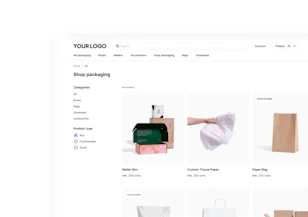
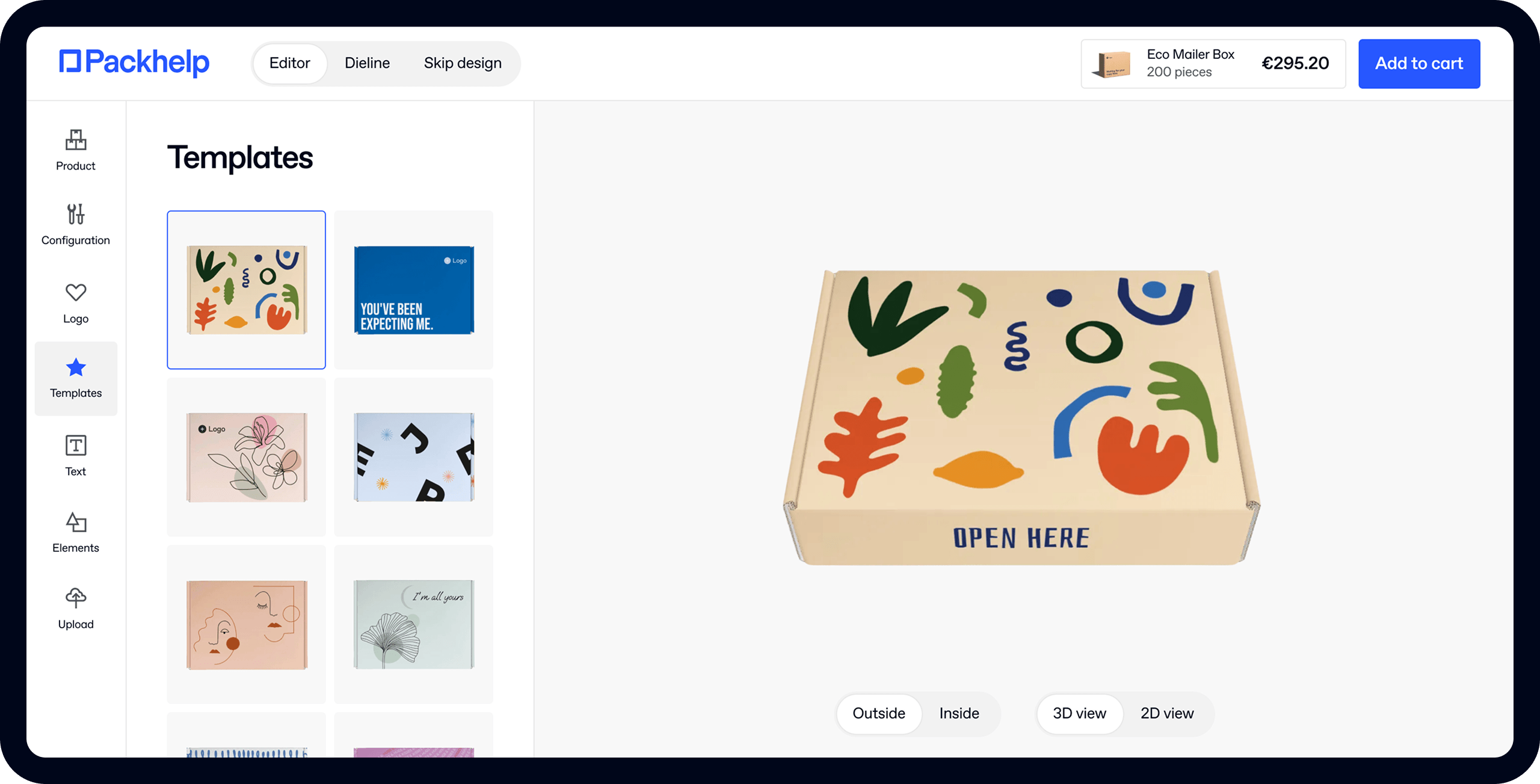
- 200+ templates & patterns
- Real time 3D packaging preview
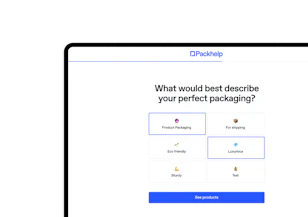
- Upload logo and choose brand colours

Subscribe now! Receive 15% discount.
Don’t miss out – get 15% off your first order when you join the newsletter. It’s fast, free, and kinda smart.

You're now subscribed!
In this article:
- 01. Ordering your packaging too late
- 02. Miscalculating the quantities you actually need
- 03. Forgetting a backup stash for unexpected upselling
- 04. Using the wrong box size for your courier
- 05. Skipping a test print before a massive production run
- 06. Relying on a single supplier without a Plan B
- 07. Ignoring the realities of print production times
- 08. Failing to plan for post-season returns
- 09. Changing your graphic design at the very last minute
- 10. Neglecting brand consistency across your packaging
In short: Leaving your Q4 packaging to the last minute leads to stockouts, oversized parcels, and off-brand boxes. Avoid these costly problems by planning early and knowing exactly what your supplier can deliver. At Packhelp, we offer custom packaging from just 30 pieces with full CMYK digital print, so you can test designs and scale safely before the holiday peak hits.
The final quarter of the year brings the highest sales volumes and the tightest deadlines. With Black Friday and Christmas creating immense pressure, e-commerce managers often make rushed packaging decisions that hurt their profit margins. Knowing what can go wrong is the easiest way to keep your fulfilment running smoothly. Here are ten common traps to dodge.

01. Ordering your packaging too late
Waiting until late October to sort out your boxes is a massive risk. Production queues grow quickly as every retailer scrambles to secure their supplies at exactly the same time.
That delay means you might face stockouts right when traffic peaks. You end up shipping premium products in whatever plain cardboard you can find at the local post office, which ruins the customer experience and slows down your packing line.
Start your Q4 planning in late summer. Map out your projected sales and finalise your designs months in advance. While unprinted boxes take about 7 days to produce, custom designs need a bit more breathing room during the busy season. Give yourself plenty of time to review our complete Q4 packaging preparation checklist and our guide on how to choose a supplier so you know exactly what to prepare.
02. Miscalculating the quantities you actually need
Guessing your stock requirements based on gut feeling usually ends in tears. Many store owners simply look at last year's figures and add a random percentage without factoring in new product launches or aggressive marketing campaigns.
Order too few, and you cannot fulfil orders during your biggest weekend of the year. Order too many, and you tie up vital cash flow in cardboard that will sit collecting dust in your warehouse until next autumn.
Dig into your analytics properly. Look at your historical conversion rates, projected traffic, and the specific promotions you have planned. If you are unsure about a new product's success, start small. We let you order custom printed boxes from 30 pieces, giving you the flexibility to test the waters before committing to a massive offset print run for your main inventory.
03. Forgetting a backup stash for unexpected upselling
A sudden viral social media post or an unexpected influencer mention can drain your inventory overnight. You might have calculated your standard sales perfectly, but you forgot to plan for a sudden spike in multi-item purchases.
When customers add multiple items to their carts, your standard product box might no longer close properly. Forcing items into a small box causes damage in transit, while splitting the order into two shipments doubles your delivery costs.
Keep a reserve of slightly larger boxes on hand specifically for multi-item orders. Analyse your average order value trends to predict how often customers bundle products together. Having a diverse range of box sizes ready means you can handle sudden spikes in bulk purchases without slowing down your warehouse team.
04. Using the wrong box size for your courier
Courier companies calculate their fees based on both weight and volumetric dimensions. Picking a box solely because it looks good without checking carrier restrictions is a classic blunder that eats into your margins.
Sending a small item in a massive box means you pay for shipping empty air. Even worse, if your parcel exceeds a courier's standard size bracket by just one centimetre, you get hit with hefty oversized baggage surcharges on every single order.
Measure your products carefully and match them to the specific size tiers of your chosen delivery partners. Choose snug, well-fitting shipping boxes that keep your items secure while staying safely within the cheapest courier brackets. Fill any small gaps with lightweight paper fillers rather than upgrading to a larger box.
05. Skipping a test print before a massive production run
Approving a huge order based purely on how a PDF looks on your computer monitor is asking for trouble. Screen colours behave very differently to ink applied to physical cardboard.
You might receive thousands of boxes where your signature brand red looks like a muddy brown. You are then stuck with a warehouse full of packaging that damages your brand image, with absolutely no time to reprint before Black Friday begins.
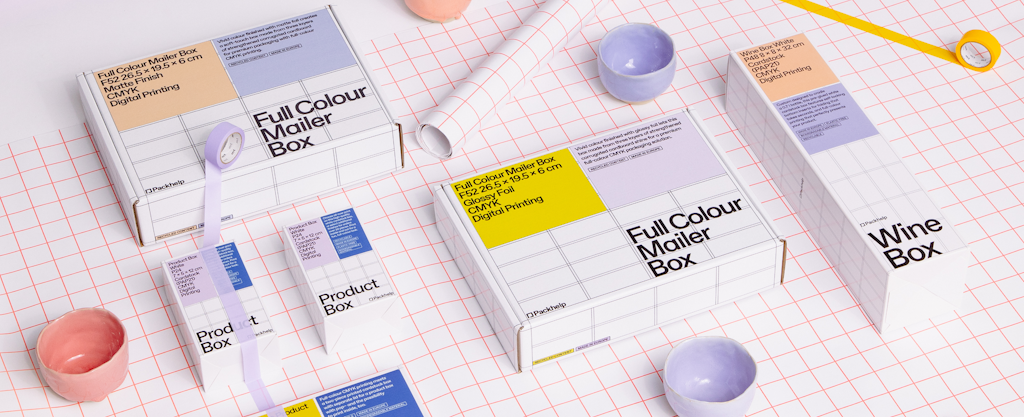
Order a small batch first to verify the colours and structural integrity. At Packhelp, we use CMYK digital printing for our Full Color and product boxes to provide bright, reliable results, but seeing it in person is vital. Ordering the minimum run of 30 pieces acts as an inexpensive insurance policy for your main Q4 order.
06. Relying on a single supplier without a Plan B
Putting all your trust in one single factory makes your entire Q4 operation highly vulnerable. Machines break down, materials face shortages, and transit routes experience unexpected delays.
If your sole supplier hits a snag in mid-November, your fulfilment stops completely. You cannot sell products if you have nothing to put them in, which leads to cancelled orders, lost revenue, and angry customers leaving negative reviews.
Keep a secondary packaging source vetted and ready to go. Familiarise yourself with how to choose a reliable backup supplier well before the rush begins and use this step-by-step guide to picking a Q4-ready packaging partner to compare their capabilities, lead times, and minimums. Knowing that we produce our FSC and ISEGA certified packaging entirely in Europe gives you a geographically stable option to rely on when global supply chains falter.
07. Ignoring the realities of print production times
Expecting complex custom packaging to arrive in three days is unrealistic. Many managers confuse off-the-shelf delivery speeds with custom manufacturing timelines.
Your marketing team launches the Black Friday sale, but the warehouse team is standing around waiting for the branded boxes to arrive. You end up apologising to customers for delayed shipments simply because you misjudged the manufacturing schedule.
Factor in the entire production process, including file preparation, printing, cutting, and transit. Different print methods take different amounts of time. While we offer delivery across the European Union in 3 to 5 working days, the actual manufacturing takes longer depending on whether you choose digital print or high-volume flexographic printing. Build a two-week buffer into your schedule.
08. Failing to plan for post-season returns
Q4 does not end on Christmas Day. January brings a massive wave of returns and exchanges, which many retailers completely forget to budget for in their packaging counts.
When a customer wants to exchange a size, you need a fresh box to send the replacement. If you burned through your entire packaging inventory in December, you will struggle to process these exchanges quickly, hurting customer loyalty at a critical time.
Add a specific returns buffer to your initial Q4 order calculation. Typically, adding 10 to 15 percent extra to your total packaging count will cover January exchanges safely. With this stock ready, your warehouse can process returns immediately, turning a potentially negative customer experience into a positive one.
09. Changing your graphic design at the very last minute
Tweaking your holiday artwork in late October can cause severe bottlenecks. Perfectionism often leads to delayed file approvals and missed production slots.
Every time you change a logo placement or adjust a pattern, the pre-press process has to start again. This pushes you to the back of the manufacturing queue, jeopardising your delivery dates right when you need your boxes the most.
Lock in your designs by September. Use our online editor with its 3D preview to check how your artwork wraps around the box, make your final decisions, and approve the files. Once the design is set, resist the urge to keep tweaking. Getting the boxes on time is far more valuable than a microscopic adjustment to a graphic.
10. Neglecting brand consistency across your packaging
In the rush to get orders out the door, some brands use a chaotic mix of random boxes, mismatched tapes, and plain mailers. They treat packaging purely as a vessel rather than as a marketing channel.
Your customer receives a dull, generic parcel that builds zero excitement. You miss out on unboxing videos, social media tags, and the chance to reinforce your brand identity right at the moment of delivery.
Make sure every parcel looks unmistakably yours, even if you run out of custom boxes. If you have to use plain cardboard in an emergency, you can quickly brand it using custom labels. Applying a high-quality sticker with your logo keeps your branding consistent and professional without requiring a complete packaging redesign.
The common thread behind all these mistakes is a lack of early planning and rushed decisions made under pressure. Taking the time to map out your strategy now saves you from major headaches when the holiday orders start pouring in. You can easily source your mailer boxes, envelopes, paper bags, and tapes in one place by browsing our complete range of packaging to get your Q4 sorted.