








































What to Do When You Run Out of Packaging or Your Supplier Is Late

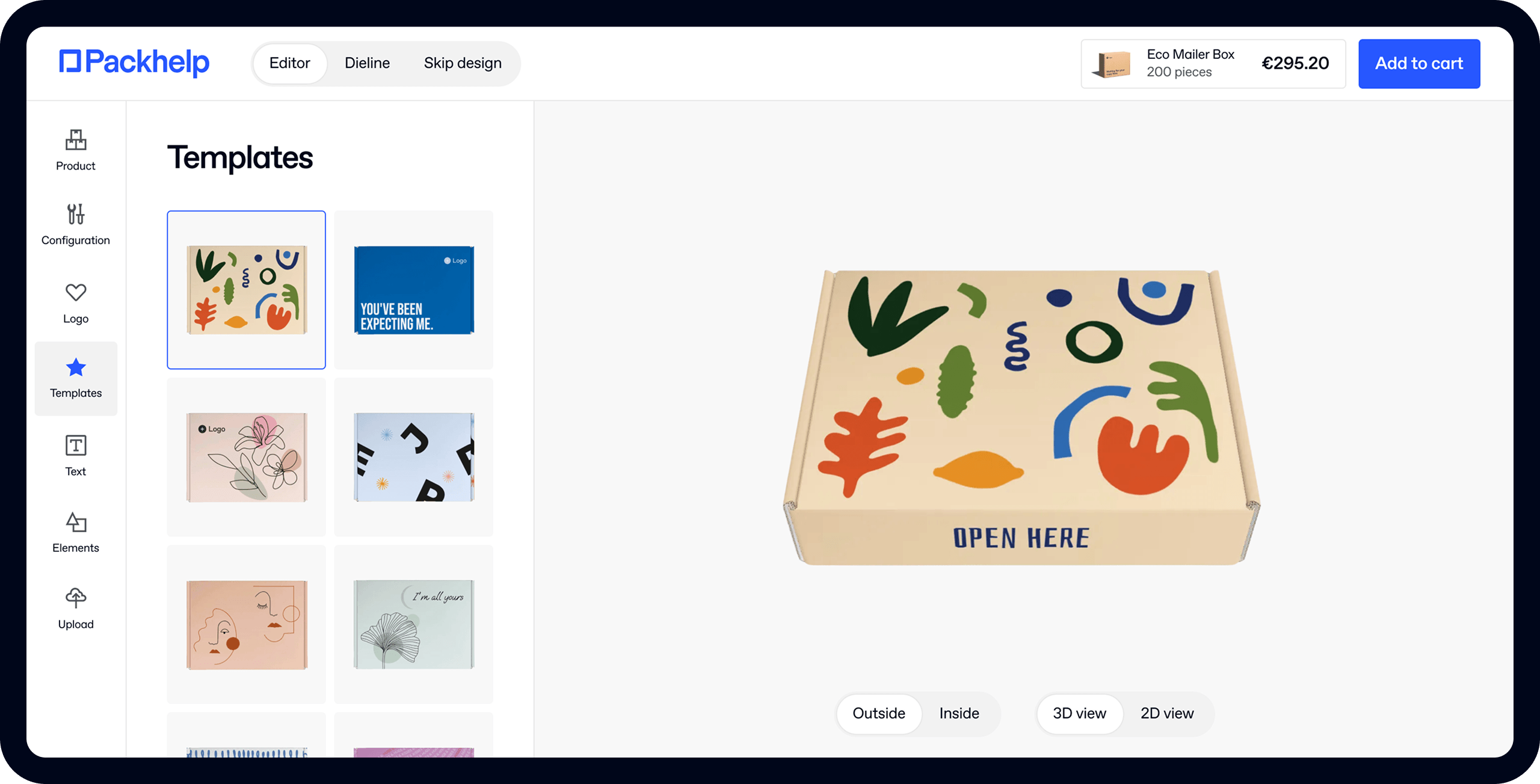
- 200+ templates & patterns
- Real time 3D packaging preview
- Upload logo and choose brand colours

Subscribe now! Receive 15% discount.
Don’t miss out – get 15% off your first order when you join the newsletter. It’s fast, free, and kinda smart.

You're now subscribed!
In this article:
In short: If you run out of packaging during peak season, switch to plain boxes immediately and brand them with custom tape or labels. At Packhelp, we produce plain boxes in just 7 days, and you can order custom printed options from as few as 30 pieces to bridge the gap. Prevent future shortages by holding a 20 percent buffer stock and securing a backup supplier.
The Q4 rush is intense for any e-commerce business. Watching your packaging inventory drop to zero while orders pile up is stressful for warehouse managers and founders alike. Here are practical steps you can take right now to keep your dispatch line moving, plus strategies to stop this happening again next year.
What to do if you run out of packaging?
Switch to standard unprinted stock straight away and apply your branding manually. Do not pause your sales while you wait for a complex custom print run to arrive. Your absolute priority is getting orders out the door and into the hands of your customers.
Grab standard-sized, unprinted cardboard boxes from a fast-turnaround supplier. To keep your brand visible, apply custom stickers and labels directly onto the plain cardboard. This is a fast, cost-effective way to show your logo without waiting for a full production cycle. A simple sticker placed centrally on a kraft box looks considered and minimalist, keeping your presentation professional.
You can also secure your parcels using custom printed tape featuring your logo or brand colours. A single strip of branded tape instantly turns a basic brown box into a recognisable delivery.
Next, prioritise your shipments. If you have a small amount of premium packaging left in the warehouse, reserve it for your highest-value orders or loyal VIP customers, and use the emergency plain stock for standard orders. Stick to standard dimensions rather than bespoke sizes. Custom tooling adds time to the manufacturing process, whereas standard sizes are often readily available. Do not worry if the box is slightly larger than your product; use void fill to protect the items and keep the dispatch process running. At Packhelp, we manufacture our packaging in Europe and can supply plain boxes within 7 days to help you bridge the gap quickly.

What to do if your packaging supplier is late?
Contact your supplier immediately, find out exactly what they can deliver right now, and then simplify your order to speed up the rest. Ask if they can send a partial shipment of whatever is already manufactured. Even a few hundred boxes can keep your warehouse operating for another week while they finish the bulk of the run.
If the delay is caused by a complex print finish, ask whether you can switch to a simpler design. Full CMYK digital printing is often faster to set up than traditional methods requiring printing plates. At Packhelp, we use digital printing for our Full Color mailer boxes, which lets us process orders efficiently without lengthy setup times. Dropping an internal print or a specific coating might get your boxes onto the production line days earlier.
If your current supplier simply cannot deliver and stops answering the phone, you need a fast alternative. Shift your focus to standard shipping boxes that do not require complex manufacturing. Order a small, emergency batch from a different provider to keep things moving. We allow you to order printed boxes from just 30 pieces using our online editor, which is ideal for a quick top-up while you wait for your main bulk order to arrive, and follow a dedicated guide to choosing a reliable packaging supplier for peak season to reduce the risk of delays in the future.
Always ask about express production options. Many suppliers have a fast-track queue for an additional fee. During Black Friday, paying extra for speed is usually cheaper than dealing with cancelled orders, negative reviews, and angry customers asking where their parcels are.

How to avoid running out of packaging for Black Friday and Christmas?
Base your packaging plan on real numbers: calculate projected sales from last year’s data, add a 20 percent buffer, and separate your Black Friday stock from your Christmas stock. Guesswork will leave you short every time.
Start with your dispatch numbers from the previous Q4. Factor in your current growth rate, new product launches, and planned marketing spend. Once you have a base number, add a safety buffer. This covers unexpected viral sales spikes, damaged stock on the warehouse floor, and customer returns.
Treat Black Friday and Christmas as two distinct events. The packaging you need for late November might differ from the festive designs you want for December. Order your core sizes first, focusing on the bestselling products that drive your highest volume. If you run out of boxes for your main product, your cash flow takes a massive hit.
Order early. Supply chains get congested in October and November across the entire industry. By ordering in late summer or early September, you avoid the seasonal bottleneck entirely. If you want to add a festive touch without a massive commitment, browse our Christmas packaging options and secure them before the rush begins. For a detailed step-by-step plan, go through this Q4 packaging checklist to get your store ready for peak season and align your timelines accordingly.
If your main warehouse is full, store a safety net of packaging off-site. Renting a small, temporary storage space for flat-packed boxes is a smart insurance policy against running out during peak trading weeks.
How to prepare your supply chain for the peak season?
Secure a secondary packaging supplier and agree on lead times for your most critical box sizes well before the Q4 rush begins. Relying on a single factory is a significant risk. If their machinery breaks down or they experience material shortages, your business stops.
Build a relationship with a backup provider early in the year. Run a small test order to check their quality, communication, and delivery speed. Knowing exactly who to call when things go wrong saves hours of panic.
Approve all your artwork and physical samples by September and avoid leaving design tweaks until October. Once the design is locked in, you can hit the order button the moment you see your stock levels dipping. Keep a close eye on your inventory. Implement a clear system where your warehouse team alerts you as soon as packaging stock hits a predefined minimum level. Do not wait until you are down to the last pallet to reorder.
Consider splitting your main Q4 order into tranches. Ask your supplier to deliver 50 percent of the volume in October and the remaining 50 percent in November. This keeps your warehouse manageable and guarantees a steady flow of materials. Maintain weekly contact with your account manager to spot any potential delays before they become serious problems. All our materials are FSC-certified, so you get consistent, high-quality European production you can rely on during the busiest time of the year.