


































Can packaging be recycled?
- 200+ templates & patterns
- Real time 3D packaging preview
- Upload logo and choose brand colours
Subscribe now! Receive 15% discount.
Don’t miss out – get 15% off your first order when you join the newsletter. It’s fast, free, and kinda smart.

You're now subscribed!
In this article:
Packaging: The Last Stage of Marketing
It’s very clear that packaging plays an important role in selling a product. In fact, packaging is basically considered a part of product design. With that in mind, we will be digging deeper into the changing world of packaging and recycling.
Packaging is often left in the last stages of production. Focus is placed on the designs rather than materials. Also, companies like big conglomerates tend to prefer price efficient options for their packaging. Materials usually include things like plastic derived from polyethylene and polypropylene.

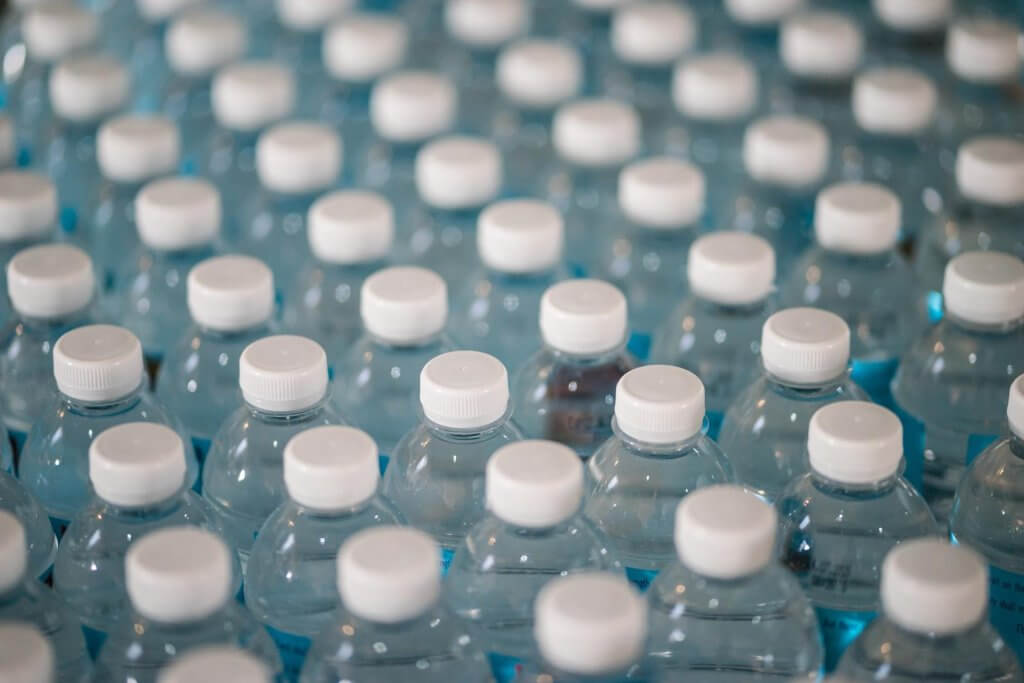
As you can imagine, plastic is one of the top materials for packaging because it is cheap and easy to produce. When we look at the numbers, it is heartbreaking to fathom the amount of waste that is produced, and packaging is one of the biggest contributors.
Did you know:
- The UK produces enough waste to fill the Albert Hall every 2 hours.
- On average, a person in the UK throws they body weight in waste every seven weeks.
- We produce enough waste to fill Millennium Stadium twice a day, every day for an entire year.
- An average of 1 tonne of rubbish is produced by every household in the UK per year.
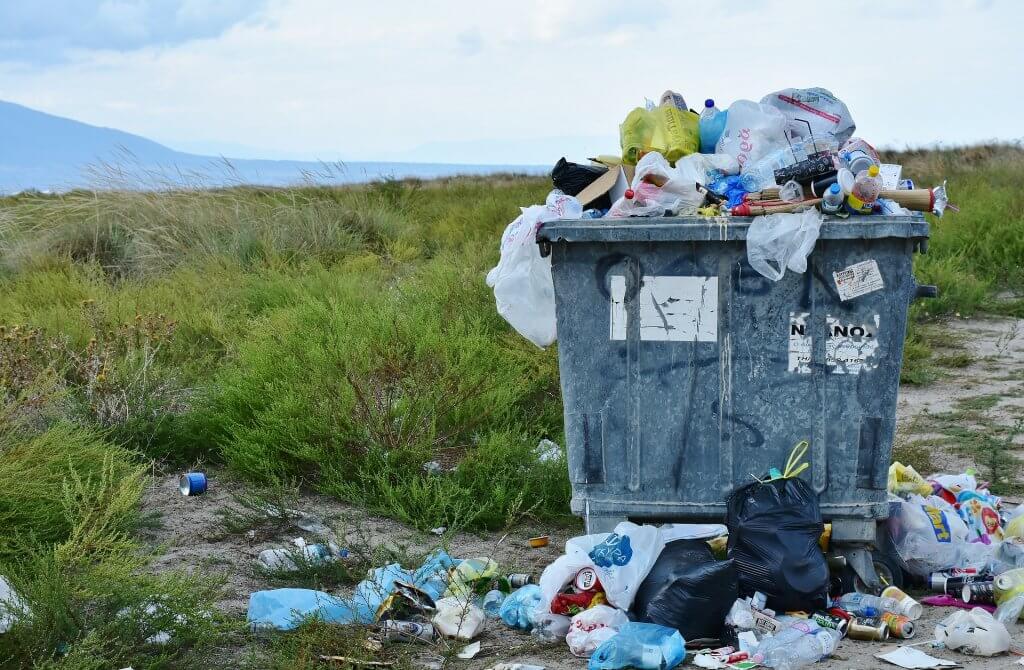
This occurs in the UK alone! With such numbers, it is not surprising that people are opting for more eco-friendly options when it comes to their shopping. Consumers are changing their buying behaviour to try and have a positive impact on the environment.
As a business though, what are your options to become more environmentally conscious? Packaging can be one of the ways to do this. Let’s dig deeper into the different types of recycling to understand what options are out there, and which one is best for you.
In this article you will learn:
- The difference between types of packaging
- What eco-friendly packaging is
- What the different types of packaging are
- How being environmentally friendly will benefit your business
Eco-Friendly Packaging:
In general, we can distinguish between two different types of packaging; permanent packaging and recyclable packaging. Permanent packaging is usually made of materials like steel, glass, aluminium, and polyester.
These are normally difficult to recycle, but those like steel and glass can be reused. On the other hand, packaging that is made of natural materials like wood, cardboard, and paper are biodegradable and fully recyclable.

What are the different types of recycling:
Closed Loop Recycling:
This method of recycling proposes that, as manufacturers, we only use materials that can be repeatedly recycled and reused. In such a way, it suggests that the environment will be protected and resources will be used more efficiently. Closed Loop Recycling requires all parties involved in the chain to cooperate with each other.
For example, manufacturers and designers should choose materials they know can be recycled and reused. In that sense, materials are considered a borrowed resource. With that being said, consumers also play a role in this method. After purchasing a product, it should be used in the entirety of its useful life. Then, be returned so that it can be recycled into raw materials for a new product, making the chain a closed loop.
Upcycling:
Another recycling method is upcycling, which involves several stages. When a product reaches the end of its useful life, it is then taken apart. The useful parts and materials are then used to produce higher quality goods. You can see the method of upcycling as a way to upgrade used products into higher status products.
This is an exceptionally eco friendly practice because it shows that old products are not rubbish. In fact, old products can be used in the production of new products. Packhelp implemented this technique in the Biodegradable Poly Mailer bags made out of a starch based resin. Our entire range of mailer bags can be recycled

Downcycling:
Contrary to Upcycling, this recycling method involves dismantling products and materials to produce lesser quality products. For example, this is a standard practice regarding metals. These are generally melted to produce new goods. But undeniably, they lose their original quality in the process. Although, downcycling has additional benefits, as it requires less energy to process raw materials. This makes it an efficient technique that does not require excessive energy and reduces pollution.
This method is also commonly used in the recycling of plastic goods. For example, plastic bottles are taken to be downcycled and turned into doormats. This is also common practice with paper. Paper can be recycled between 4 and 5 times. Standard writing paper tends to be downcycled into lesser quality cardboard and manila folders. Check out Packhelp’s Custom Kraft Tape, which is made of recycled paper and natural rubber adhesive.

How does environmentally friendly packaging actually benefit your business?
With the rising trend of environmentally friendly practices worldwide, adaptability comes into play. Leading a business, it is your duty to be aware of the changes occurring in the industry. You should analyse if changes make sense for your business and how they could be implemented. This becomes particularly important if you want to have a thriving business. With rising competition, you are responsible for finding new ways to stay at the top of the game.
If you don’t identify these changes, your business will take the risk of being left behind in the sales race. Not only that, but adapting to eco-friendly options, like sustainable packaging can actually bring you ahead of the game. Check out these leading companies that have taken their sustainability efforts to another level:
- Nike: Since 2011, they have been using post-consumer recycled materials to produce several of their products. They also redesigned all of their packaging in order to become more efficient and reduce unnecessary waste.
- Puma: in 2010 they created a unique and sustainable packaging that used 65% less cardboard material. This reduced their carbon emissions by 10,000 tonnes per year.

- Patagonia: They use materials like natural rubber and plastic bottles to produce wetsuits and parkas.
- Veuve Clicquot: The champagne masters created the first eco-friendly packaging solution for their industry. Their product now comes packed in a container made of potato starch that is isothermal, recyclable, and biodegradable.

What drives the changes happening in the industry?
You got it; the consumer. Now a days, consumers are becoming more aware of how eco-friendly companies are. Actually, over 90% of adults in the UK say they care about the environment. Becoming an environmentally friendly business might even bring you new customers. Sustainability has become a decisive factor in the mind of the consumer when choosing a product to purchase.
From another perspective, not being environmentally friendly could cause you to lose customers and decrease your retention rates. At the end of the day, in the ever changing business world, eco practices can no longer be ignored.
It is also important to consider that as a business owner, you have a responsibility towards multiple stakeholders. In fact, many companies consider the planet to be one of them. Implementing an effective corporate social responsibility strategy involves actions that go beyond the minimum requirements. In means taking necessary actions in all areas of the supply chain.
What are the benefits of recycling packaging?
- It will save you money: More efficient use of packaging and materials will be a big money saver for your business by reducing unnecessary waste.
- Increasing retention rates: As mentioned, consumers like eco friendly companies, and if you become one of them, your customers will love you even more.
- You will gain new customers: You have to stay on top of the business game, and this involves finding ways to get new customers. Providing eco friendly options can be that element that puts you ahead of the game.
- Your employees will be happier: Businesses that show their human side and try to take positive action into the world also tend to have lower employee turnover. Employees feel taken care of and that they are part of something positive.
- Your company will thrive: Being an eco-friendly company ensures that your operations are not tied to the limitations of scarce non renewable resources.